

Kitchen Layout Mistakes to Avoid in 2026
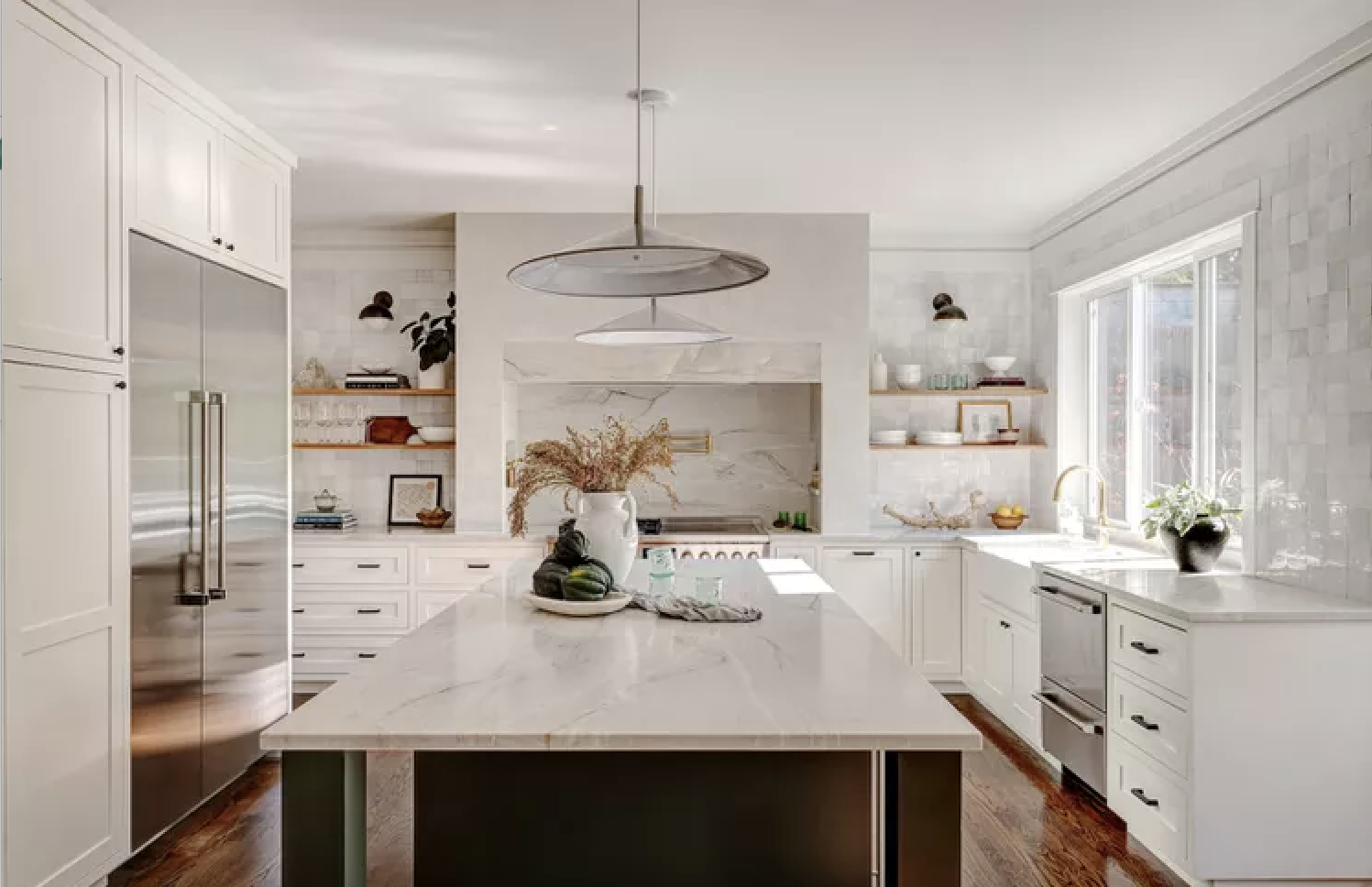
A beautiful kitchen starts with a smart layout. While cabinet styles, countertops, and finishes often get the spotlight, the layout is what determines how well your kitchen functions day after day. As kitchen design continues to evolve in 2026, homeowners are placing a greater emphasis on spaces that support cooking, entertaining, working, and gathering.
Whether you’re planning a full remodel or refreshing your current space, avoiding common layout mistakes can help ensure your new kitchen is both stylish and practical for years to come.
Ignoring Workflow and Functionality
One of the biggest kitchen design mistakes is focusing solely on appearance while overlooking how the space will actually function. A kitchen should support the natural flow of daily activities, from meal preparation and cooking to cleaning and entertaining.
The classic kitchen work triangle-connecting the sink, refrigerator, and cooktop-remains a valuable design principle. While modern kitchens often include additional work zones, maintaining efficient pathways between these key areas can significantly improve usability.
Consider how your household uses the kitchen. Do multiple people cook at once? Do children often complete homework at the island? Is entertaining a priority? Designing around your lifestyle ensures the layout works for your needs rather than forcing you to adapt to the space.
Not Allowing Enough Clearance Space
Even the most beautiful kitchen can feel frustrating if there isn’t enough room to move comfortably. Insufficient clearance around islands, cabinets, and appliances can create bottlenecks and make everyday tasks more difficult.
Walkways should provide enough space for cabinet doors, appliance doors, and people to move freely without feeling crowded. This becomes especially important in busy households where multiple family members may be using the kitchen simultaneously.
Proper spacing also contributes to safety and accessibility, helping create a kitchen that feels open, comfortable, and easy to navigate.
Overlooking Storage Needs
Storage is one of the most important aspects of kitchen design, yet it’s often underestimated during the planning process. Without enough storage, countertops quickly become cluttered, making the kitchen feel smaller and less functional.
Think beyond standard cabinets. Deep drawers for pots and pans, pull-out pantry systems, corner storage solutions, and appliance garages can help maximize every inch of available space.
When planning your layout, take inventory of what you currently store in your kitchen and identify areas where additional storage could improve organization and efficiency.
Placing Appliances in Inconvenient Locations
Appliance placement can make or break a kitchen’s functionality. A refrigerator positioned too far from prep areas or a dishwasher that blocks walkways when open can quickly become daily frustrations.
Modern kitchen layouts often create dedicated zones for food storage, preparation, cooking, and cleanup. Grouping related tasks together helps streamline workflow and minimizes unnecessary movement throughout the space.
When planning appliance locations, consider how often each appliance is used and how it interacts with surrounding work areas.
Neglecting Lighting in Key Work Areas
A well-designed kitchen layout should work hand-in-hand with a thoughtful lighting plan. Even the most functional layout can fall short if workspaces are poorly illuminated.
Task lighting is especially important in areas used for food preparation, cooking, and cleanup. Under-cabinet lighting, pendant fixtures over islands, and strategically placed recessed lighting can help eliminate shadows and improve visibility.
Layering task, ambient, and accent lighting creates a kitchen that is both practical and inviting throughout the day.
Following Trends Instead of Lifestyle Needs
Kitchen trends can provide inspiration, but they shouldn’t dictate your entire layout. What looks impressive in a showroom or on social media may not fit the way your family actually lives.
In 2026, homeowners are embracing personalized kitchens that prioritize functionality alongside style. Instead of designing around the latest trend, focus on features and layouts that support your daily routines.
A kitchen designed around your lifestyle will remain enjoyable and practical long after trends change.
Skipping Professional Design Guidance
Kitchen remodels involve countless decisions, and layout mistakes can be expensive to correct once construction begins. Working with an experienced kitchen designer helps identify potential challenges before they become costly problems.
Design professionals can evaluate traffic flow, storage opportunities, appliance placement, lighting needs, and overall functionality to ensure every element works together seamlessly. Their expertise can help maximize your investment while creating a kitchen that meets both your aesthetic and practical goals.
–
A successful kitchen remodel goes far beyond selecting beautiful finishes. The right layout creates a space that feels comfortable, efficient, and tailored to your lifestyle. By avoiding common mistakes such as poor workflow planning, inadequate spacing, insufficient storage, and inconvenient appliance placement, you can create a kitchen that serves your family well for years to come.
If you’re ready to transform your kitchen, the design experts at Kitchen Solvers can help you create a layout that balances beauty, functionality, and lasting value. Contact us today to schedule a consultation and start planning your dream kitchen. For more inspiration and expert planning tips, read our blog, The Ultimate Guide to Choosing the Right Kitchen Layout, and discover how to create a kitchen that works beautifully for the way you live.
Back