

Why Open-Concept Kitchens Are Still in Style
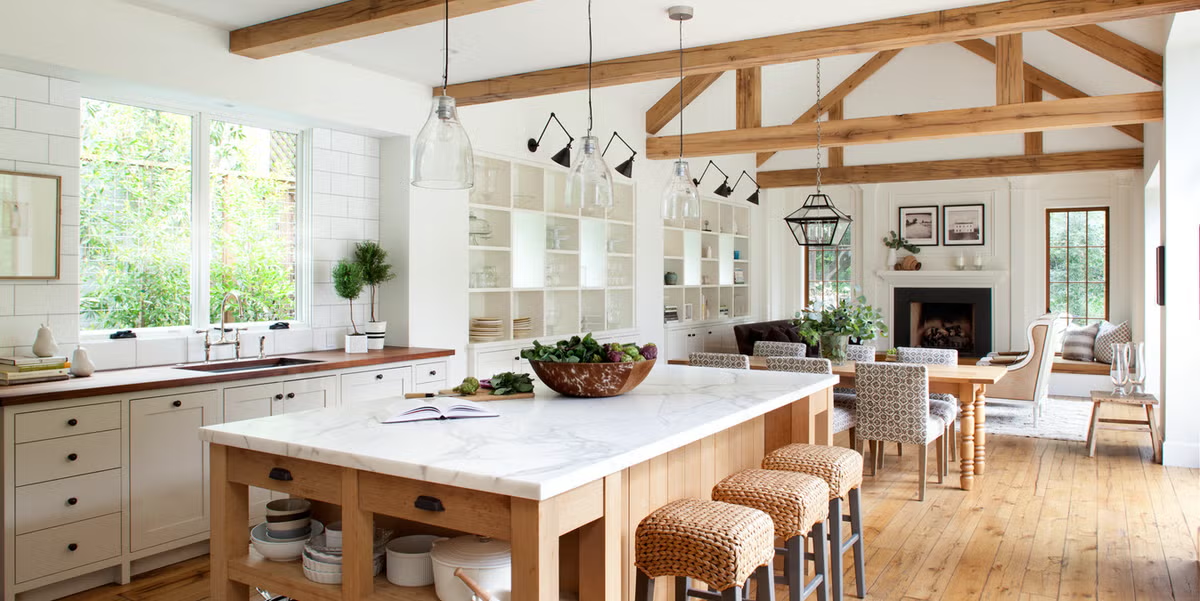
Open-concept kitchens have remained one of the most sought-after home design trends for years – and for good reason. By removing barriers between the kitchen, dining, and living areas, homeowners can create a space that feels larger, brighter, and more connected. Whether you love entertaining guests, spending time with family while cooking, or simply want a more modern layout, an open-concept kitchen continues to offer both style and functionality.
But designing an open-concept kitchen successfully takes thoughtful planning. Without the right balance, the space can quickly feel cluttered or lack definition. Here’s why open-concept kitchens are still in style and how to design one that works beautifully for your home and lifestyle.
Why Open-Concept Kitchens Remain Popular
One of the biggest reasons homeowners love open-concept kitchens is the sense of openness they create. Removing walls allows natural light to flow more freely throughout the home, making the entire space feel larger and more inviting.
Open layouts also encourage connection. Instead of being separated while cooking, homeowners can easily interact with family members, guests, or kids doing homework nearby. The kitchen naturally becomes the center of daily life and entertainment.
Modern lifestyles also benefit from multifunctional spaces. Open-concept designs make it easier to cook, dine, relax, and socialize all within one cohesive area. This flexibility continues to make the layout attractive for both growing families and homeowners who love to host.
Designing the Ideal Layout
A successful open-concept kitchen starts with smart space planning. Even though walls are removed, it’s still important to create distinct zones for cooking, dining, and gathering.
Kitchen islands are often the centerpiece of an open layout because they help define the kitchen area while adding valuable prep space, storage, and seating. A well-designed island can act as both a functional workspace and a visual anchor for the room.
Traffic flow is another key consideration. Make sure there is enough room to move comfortably between appliances, seating areas, and walkways. Avoid overcrowding the space with oversized furniture or unnecessary features that can interrupt movement.
Area rugs, lighting, and furniture placement can also help subtly separate spaces without sacrificing openness.
Choosing Cohesive Materials and Colors
In an open-concept design, consistency is essential. Since multiple living spaces are visible at once, finishes and materials should complement one another to create a cohesive look.
Using the same flooring throughout connected areas helps maintain visual flow and makes the home feel larger. Coordinating cabinetry, countertops, backsplashes, and paint colors can also create a harmonious design without feeling repetitive.
That doesn’t mean everything has to match perfectly. Mixing textures, metals, and accent colors can add depth and personality while still maintaining balance. For example, pairing warm wood finishes with sleek stone countertops creates contrast while keeping the overall design unified.
Storage and Functionality Matter
Because open-concept kitchens are always visible, keeping clutter under control becomes even more important. Smart storage solutions help maintain a clean and organized appearance.
Deep drawers, pull-out pantry shelves, hidden trash storage, and multifunctional cabinetry can maximize efficiency while minimizing visual clutter. Many homeowners also choose panel-ready appliances that blend seamlessly into the cabinetry for a streamlined look.
When planning your layout, focus on functionality as much as aesthetics. A beautiful open kitchen should still support efficient cooking, prep work, and daily routines.
Common Open-Concept Design Mistakes to Avoid
While open layouts offer many benefits, there are a few common mistakes homeowners should avoid.
One of the biggest issues is failing to create visual balance. Without clear definition between spaces, the home can feel chaotic or unfinished. Thoughtful furniture placement and layered lighting help establish structure.
Noise control is another factor often overlooked in open-concept homes. Hard surfaces can amplify sound, so incorporating rugs, upholstered seating, curtains, or acoustic materials can help soften noise levels.
Lighting is equally important. Instead of relying on a single fixture, layer multiple types of lighting – including task, ambient, and accent lighting to create warmth and functionality throughout the entire space.
–
Open-concept kitchens continue to stand the test of time because they combine functionality, connection, and modern style in a way that fits today’s lifestyles. When designed thoughtfully, these spaces can feel welcoming, organized, and effortlessly functional for everyday living and entertaining.
The key to designing an open-concept kitchen successfully is finding the right balance between openness and structure. With smart layouts, cohesive materials, and practical storage solutions, you can create a kitchen that feels both beautiful and highly livable.
If you’re considering an open-concept kitchen for your home, thoughtful planning can help you create a space that feels both stylish and functional. Read our blog, Open Concept Kitchens: Pros, Cons, and Creative Design Ideas, for even more inspiration and insights. Then reach out to schedule your free consultation and start designing a kitchen tailored to your lifestyle.
Back